Concert tickets · tour dates · upcoming events
Dec 4, 2026 – Aug 15, 2027
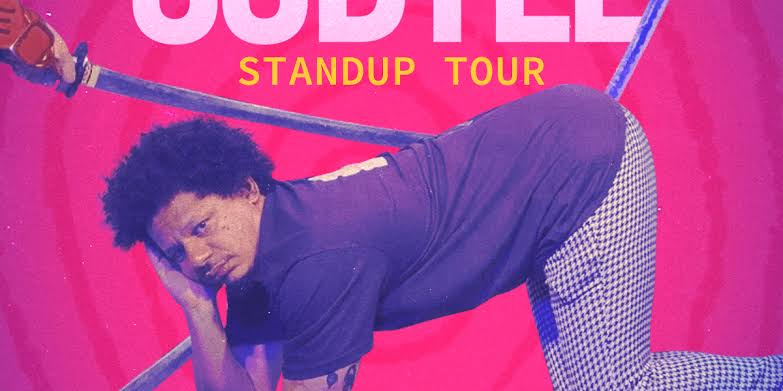
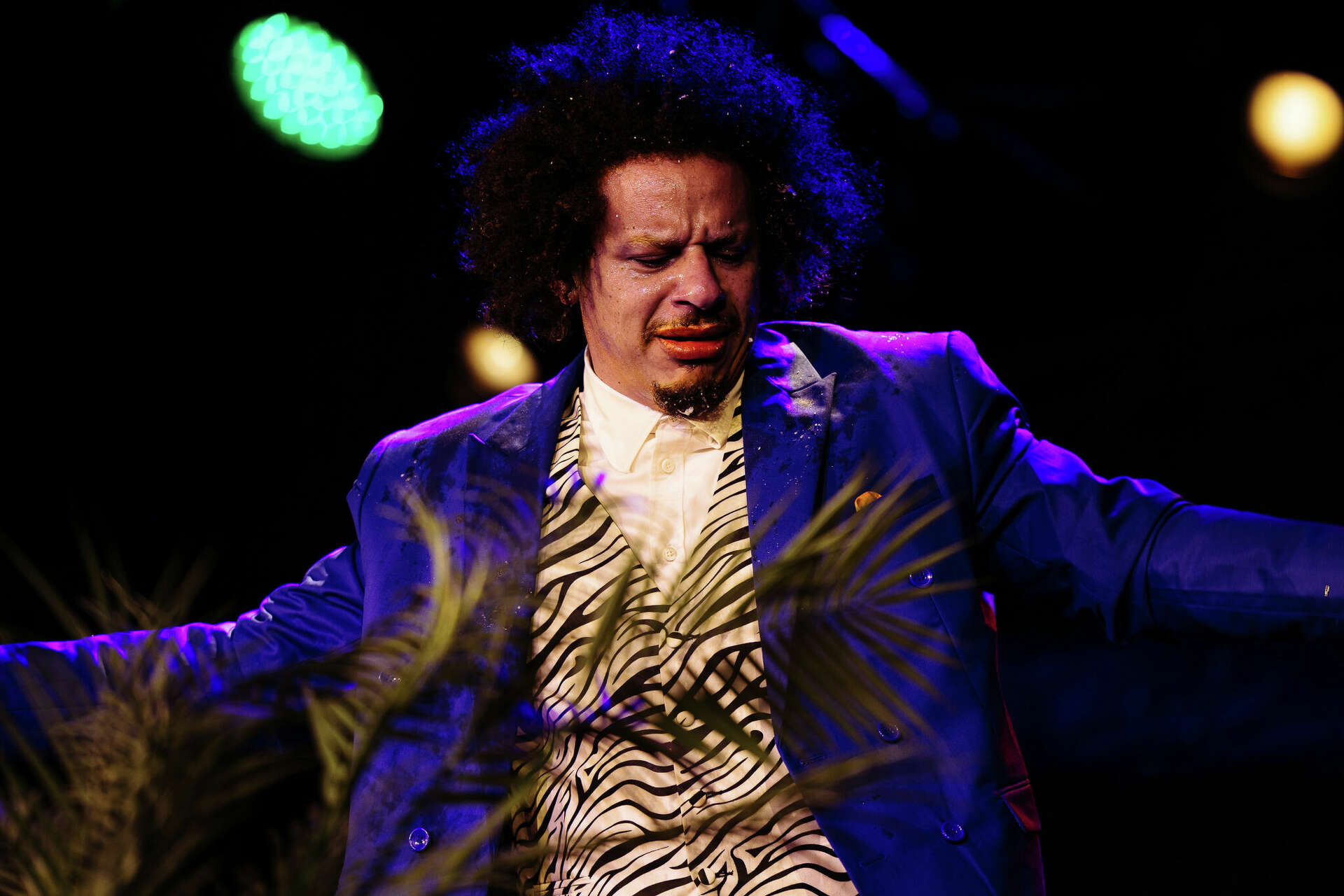
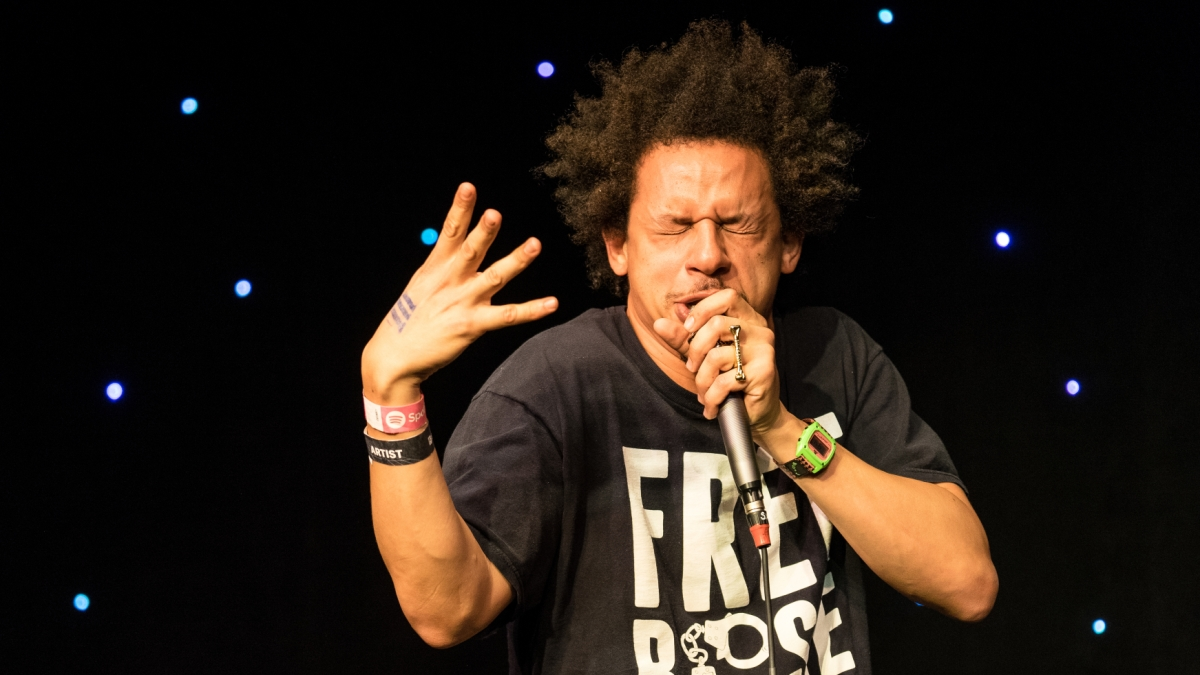
Step into the chaotic, unpredictable world of Eric Andre's live run, where the line between stage and audience rarely holds for long. The evening carries the same restless energy that has made his work so recognizable, blending absurdist sketch instincts with live musical moments that shift the room from loud to strangely hushed and back again. Expect a dim, slightly sinister atmosphere built on tight lighting cues, sudden interruptions, and the feeling that nothing on stage is entirely under control, which is precisely the point. The crowd tends to be made up of fans of deadpan, boundary-testing humor, viewers who came up on late-night irreverence and who enjoy a performer willing to make an audience squirm for the sake of a laugh. Because the show leans so heavily on improvisation, no two nights look identical, and the pace moves in bursts: rapid-fire bits, abrupt pauses, and stretches where the tension lingers just long enough to feel uncomfortable before breaking open. This run stands out for its scope, and the routing spans a wide range of cities and venue types, from intimate rooms to larger halls, so fans in different regions get a chance to see the production up close. Each stop adapts to its space, which means the experience changes with the building as much as with the night. If you want to catch the act, take a moment to check the dates table below, where you can find the cities, venues, and showtimes that suit your plans before tickets move quickly.
Beacon Theatre - NY7:30 PM
No dates match that filter.
No shows are on sale just now. New dates are listed here the day they are announced.
60 shows · 43 cities
Dec 4, 2026 – Aug 15, 2027
Ticket prices for an Eric Andre show shift with several factors. City and venue size matter most: a large arena in a major market will generally price higher than a smaller theater in a secondary city. Seat location matters too, so floor seats near the stage usually cost more than upper-level seats, and seats with an obstructed view are often discounted. Timing plays a role as well, since prices can rise as a date approaches and demand becomes clear, or drop if inventory is still plentiful. This is why two dates on the same tour can cost very differently, even when the production is identical.
VIP packages and meet and greet add-ons are sold separately from general admission and typically bundle things like priority entry, a merchandise item, or a short photo opportunity with the artist. What is included varies by date and venue, so read the package description carefully before paying. Presales let certain groups buy before the general public, but availability differs from one show to the next, and not every date will offer one. A presale code should come from the artist, the venue, or a credit card issuer that runs a cardholder program. Be cautious of third-party sites offering codes for a fee, since these are often unofficial or unavailable.
Resale marketplaces can list tickets above or below face value, depending on demand and how close the show is. Before paying, check the section and row against the venue's seating layout, and confirm that the listing matches the view you expect. Many resale sellers deliver tickets as mobile transfers rather than printed or physical tickets, so make sure your phone and the venue's entry app are ready, and confirm the delivery method and any refund policy before completing the purchase.
An Eric Andre show is typically an evening rather than a quick visit, and the exact length depends on the venue and the date. Doors usually open well before the headline set, often an hour or more ahead, so the first stretch of the night is spent finding your place and waiting. Support acts are common, but they vary by date and city, so the lineup you see on one night may differ from another. Check the event page for the specific bill and timing for your show.
The headline set tends to feel more like an unpredictable performance than a standard concert. Expect a mix of familiar material alongside newer work, delivered with the surreal, confrontational humor that defines Eric Andre's style. Pacing can shift abruptly, with stretches of rapid-fire bits followed by quieter, awkward moments that are part of the intent. Production is generally sparse but purposeful, relying on lighting, staging, and the performer's presence more than elaborate effects. Since the show is built around spontaneity, no two nights are exactly alike, and that is much of the appeal.
A few practical notes will make the night easier. Age policies are set by each venue, so check the minimum age before you buy tickets. Arrive early enough to clear security, since bag rules are usually strict, and assume that large bags, outside food, and certain items may not be allowed. Many venues permit small clutch-sized bags only. Earplugs are worth bringing, as the sound can be loud, and they are often available at the venue as well.
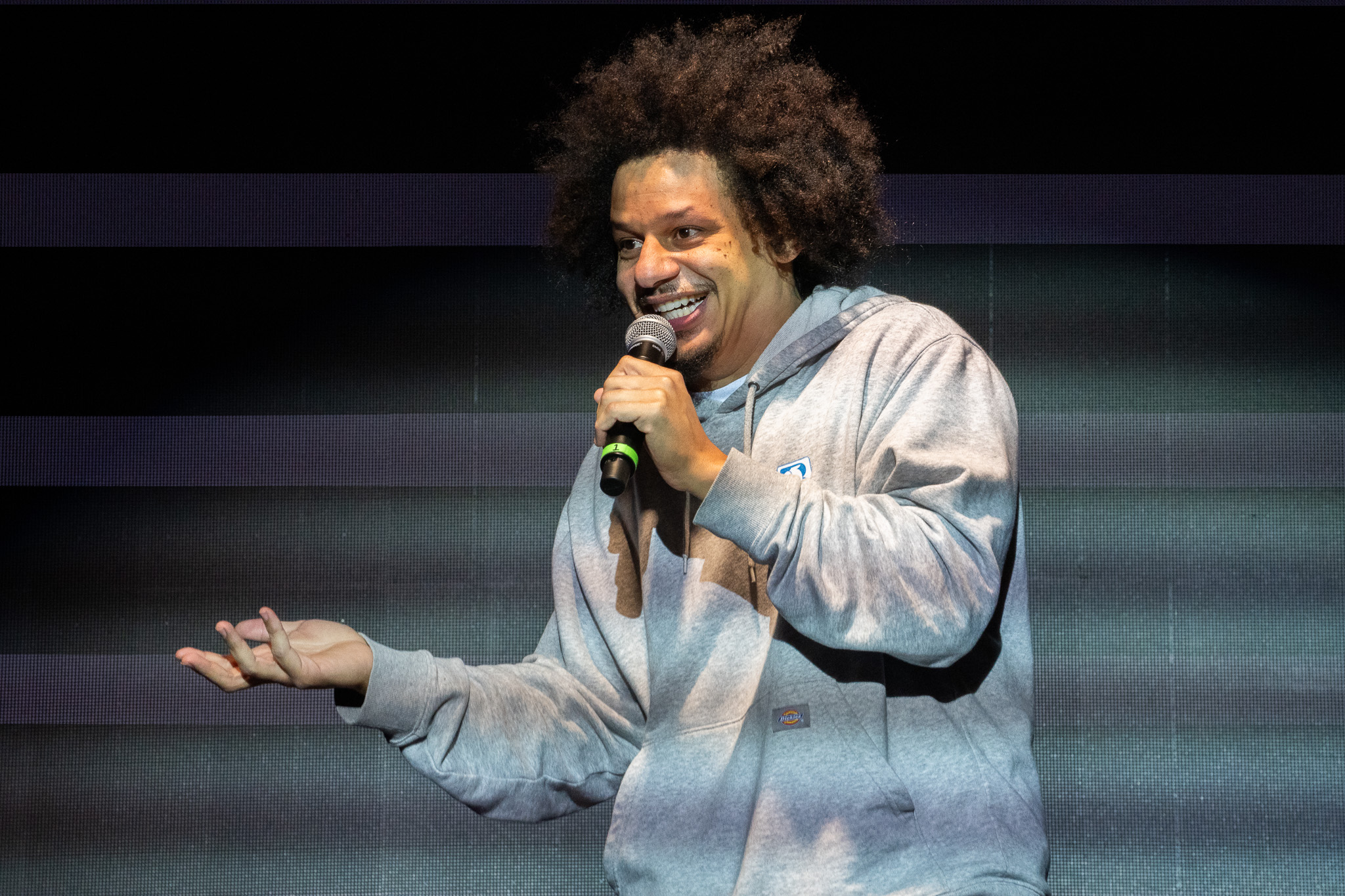
Eric Andre is primarily a comedian rather than a musician, so his live performances centre on stand-up and character work instead of songs. Fans who come to his shows usually expect the same unpredictable energy that defines his television work, where a talk-show format is repeatedly derailed by absurd sketches, surprise guests and deliberately uncomfortable audience interaction. Because much of the material is improvised and responds to the room, no two nights tend to unfold the same way.
A typical show mixes fresh material with riffs on familiar recurring ideas, and audience reactions often determine how long any given moment runs. Some nights lean heavily into crowd work and spontaneous chaos, while others give more room to scripted sequences. Fans often compare notes after the show about which moments landed, which tangents ran long, and how one night measured against the last.
A note before the copy: Eric Andre is not a band. He is an American comedian, actor, and writer best known as the host of The Eric Andre Show on Adult Swim. A bio built around founding members, a line-up, and sonic detail would have to be invented, so the text below describes him as a performer instead. Check tour dates, venues, and show details against the individual listings.
Eric Andre built his reputation in stand-up and small-stage comedy before reaching a wider audience. His defining work is the television series The Eric Andre Show, which presents itself as a talk show while steadily undermining its own format. Rather than relying on scripted jokes alone, the series thrives on awkward silences, sudden interruptions, and interviews that go off the rails. Much of its tone comes from a deliberately flat delivery, abrupt shifts in volume, and a willingness to let an uncomfortable moment run longer than feels comfortable. Those same instincts shape his stage work, where timing and audience reaction matter as much as the written material. Comparisons often point to the absurdist, anti-talk-show tradition, though his approach is distinctly his own.
Several projects mark key points in his career. The Eric Andre Show became his most recognizable work, spanning multiple seasons and building a devoted following around its surprise guests and deliberately hostile banter. Frequent collaborator Hannibal Buress appeared alongside him on the show, and that partnership helped establish the series' rhythm of deadpan commentary and escalating chaos. He also moved into feature filmmaking with Bad Trip, a prank comedy that carried his format of staged, improvised encounters onto a larger screen. Fans often treat these projects as the clearest entry points into his work, since each shows the same mix of provocation and performance that his live appearances bring to a room.
Eric Andre sits within a broader lineage of alternative and absurdist comedy, where unscripted provocation, commentary on media, and performance art overlap. His audience tends to include people who already know the television series and enjoy its discomfort, along with viewers drawn to surreal humor, sketch-influenced performers, and improvised formats. Listeners who appreciate deadpan delivery and slowly built tension tend to get the most out of a live night, because the crowd becomes part of the act. Those who prefer tightly scripted material with predictable punchlines may find the pace unsettling. Knowing the tone beforehand helps, since the strongest nights tend to reward attentive audience members who can keep up with sudden changes in direction.
Practical details vary from date to date, so check each listing for running time, age policy, and whether a support performer is booked. Comedy events of this kind commonly run as a single set, sometimes with an opening act, but that depends on the venue and promoter. Rooms for this style of performance are usually intimate to mid-sized, which keeps the audience close to the stage and makes the energy easy to feel. Expect a crowd that is engaged and often loud, with occasional moments of uncertainty that the performer may use as material. Arriving early is generally worthwhile for better seating and for catching any opening performer. Recording and phone policies are set by each venue, so review them before attending.
Browse the upcoming dates listed below to find a show near you. Each entry includes the venue, city, and whatever details the promoter has confirmed, so it is worth reading those carefully before buying tickets. Whether you are coming to the live act for the first time or already know the television series well, the best preparation is simple: pick a date, read the listing, and arrive ready for an unpredictable evening.
Yes. Eric Andre is on tour in 2026–2027, with 60 upcoming shows in 43 cities. The next one is Dec 4, 2026 at Bricktown Comedy Club - Tulsa in Tulsa.
Eric Andre is not playing today (Nov 26, 2026). The next show is Dec 4, 2026 at Bricktown Comedy Club - Tulsa in Tulsa.
Eric Andre's 2026–2027 dates cover 2 countries: the United States (59) and Canada (1).
Running time isn't fixed across the tour, since it can vary by venue and by how each night is structured. Plan for a full evening out rather than a short set. If the event page lists a schedule or run time for your date, that's the most reliable guide. If it doesn't, contact the venue or check the page again closer to the show.
Whether there's an opening act depends on the specific date and venue, so it isn't the same at every stop. Some nights may feature support acts while others may not. The event page for each show is the place to look, since it lists any announced support. If you're hoping to see a particular opener, confirm it on the listing before buying, because lineups can change.
Age policies are set for each show, not for the tour as a whole, so they can differ from one city to the next. Some dates may welcome all ages, while others may require guests to be 18 or 21. Check the age restriction on the event page for your date and venue. If it isn't clear, contact the venue before you buy, and bring valid photo ID to the door.
Doors and showtime are listed separately on each event page, and the gap between them varies by date and venue. Doors are when the venue opens for entry, and the headliner usually performs later. Exact set times can't be promised in advance, so check the listing for your date. Arriving soon after doors gives you time to settle in before the show.
Ticket prices aren't fixed, so there's no single figure that applies to every show. Cost usually depends on the venue's size and seating layout, the date and city, and the seat location within the room. Fees and taxes may also be added at checkout. The exact prices for each show appear on its event page, so compare the listings for every date you're considering.
VIP packages and meet and greet opportunities aren't offered at every show, so availability depends on the date and venue. When they are offered, the package contents, pricing, and rules are described on that show's event page. Meet and greets may have limited spots and specific conditions. Check the listing for your date, and read what's included before purchasing, since details can change.
Presale access and codes depend on the promoter and venue for each date, so there isn't one universal schedule. Some shows may have presales, while others may go on general sale directly. Check the event page for your date for announced on-sale times and any presale details. Be wary of unofficial codes shared online, and buy only through the official ticket link listed on the page.
If a show is cancelled or postponed, the venue or promoter will announce it, usually on the event page and through official channels. Refund or exchange terms depend on the nature of the change and the ticket policy shown at purchase. Postponed tickets often remain valid for the new date. Keep your confirmation email and check the event page for updates on your show.